ASTi at I/ITSEC 2026
What’s Happening!!
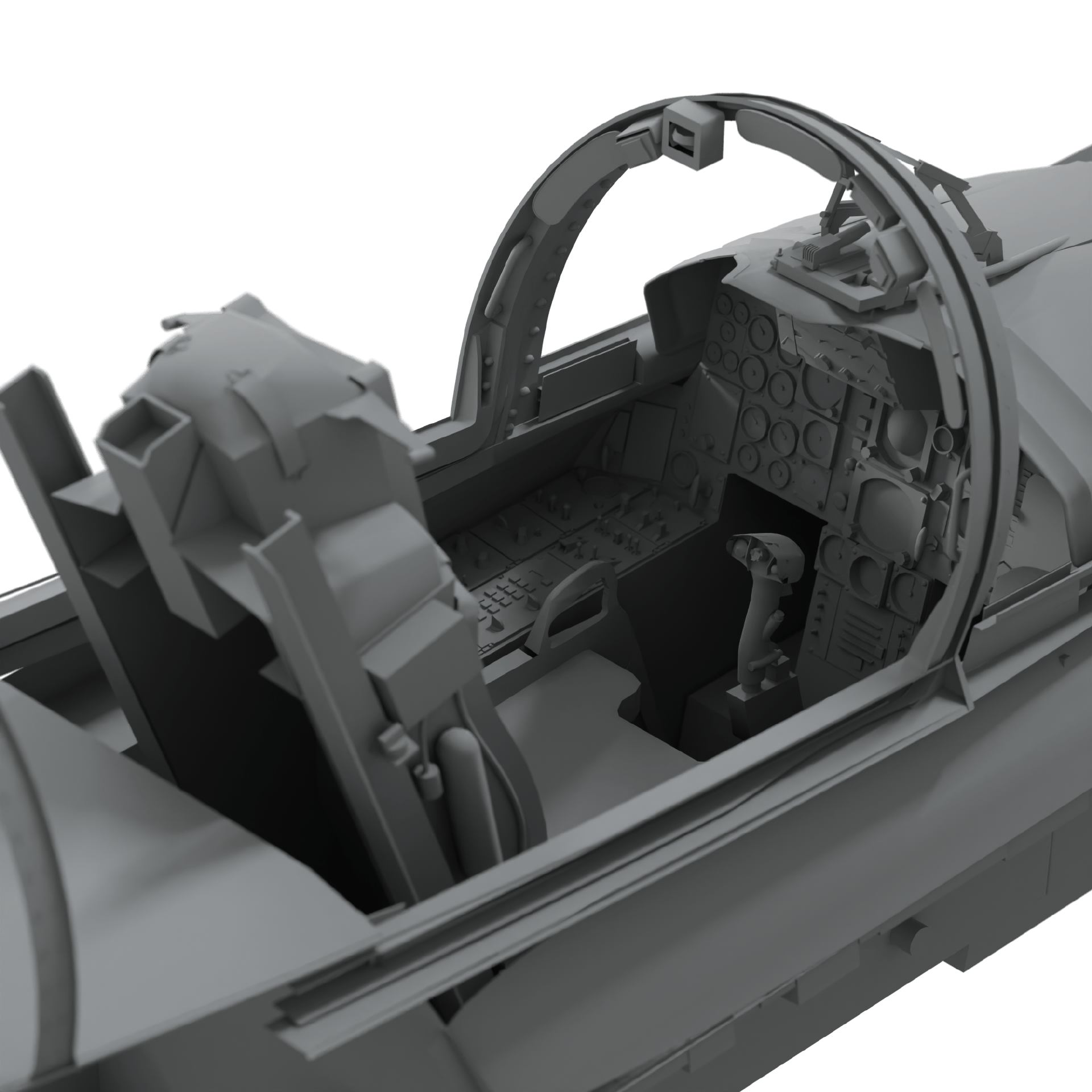
ASTi continues to provide equipment and support for the U.S. military's advanced testing, evaluation, and training system, the Joint Simulation Environment (JSE). ASTi equipment provides audio and communications to pilots and controllers at Naval Air Station Patuxent River, MD (Pax River); Joint Integrated Test and Training Center (JITTC) and Digital Test and Training Range (DTTR), Nellis Air Force Base (AFB), NV; and DTTR Edwards AFB, CA.
ASTi Telestra™ systems provide simulated communications, environmental audio, aural cues, tactical data link (TDL) and Multifunction Advanced Data Link (MADL) simulation for F-35 and F-22 fifth-generation fighter jet simulators as well as other platforms like F-15, F-16, E-7A, and U.S. Navy F/A-18 aircraft. Outside the cockpit, ASTi Voisus® systems provide plug-and-play simulated radio and networked communications for instructors, controllers and other JSE personnel. Check out this application example for details on the Pax River installation.
ASTi's existing electromagnetic (EM) and radio frequency (RF) propagation interface is based on open standards and is compatible with advanced third-party and government-developed propagation models. All Telestra and Voisus audio and communications also rely on industry standards for seamless integration with advanced modeling capabilities across the entire JSE simulation system.
ASTi looks forward to continued support for growing capabilities at existing JSE sites and, hopefully, new sites like Joint Base Elmendorf-Richardson, AK, and Hill AFB, UT. Stop by our I/ITSEC booth (#1123) to talk about JSE, Telestra, Voisus, exciting radio propagation modeling topics, or our favorite Orlando-area restaurants. See you there!
Under an enterprise license agreement (ELA), ASTi supplied hardware and software to a host of U.S. Marine Corps forces and facilities to support Project Tripoli, the USMC's flagship distributed, live, virtual, and constructive training environment (LVC-TE). These include I Marine Expeditionary Force (MEF), II MEF, III MEF, the Marine Corps Air Ground Combat Center at Twentynine Palms, Marine Corps Base Hawaii, and a telecommunications lab at Quantico, VA.
Under Project Tripoli, the Marines use ASTi Voisus® and Solo™ communications solutions for everything from small unit training (e.g., fire teams, squad training) to large-scale command post exercises (CPXs) and multinational training events. Regardless of the size or scope of the LVC training, Voisus and Solo provide critical networked communications links between battle simulation centers, radio over IP (RoIP) for Common Aviation Command and Control System (CAC2S) and down-range communications with forward-deployed Marines.
Earlier this year, the USMC used ASTi Voisus and Solo during the I MEF Command Post Exercise (CPX) as well as Balikatan 2026, the annual, multinational U.S.–Philippines led exercise. Forces from Japan, Australia, Canada, France, and New Zealand also participated in Balikatan 2026 with another 17 nations observing.
ASTi LVC Application Examples
Cross-Domain Solution for RoIP Communications
Cross-Domain Voice and RoIP Solution for Electronic Warfare Tactics Range
ELA Case Study
U.S. Army Battle Command Training Capability-Equipment Support (BCTC-ES)
Contact ASTi at sales@asti-usa.com to talk about how Voisus, Solo, or any of ASTi’s products can meet your audio and communications needs for any type of training or simulation.
Thousands of miles of ocean separate U.S. Air Force command centers from those of allies across the western Pacific including Japan, the Philippines, Australia, and New Zealand. How can these faraway commands train their forces to work together in defense of such a vast area?
For years, ASTi Telestra™ systems have provided communications and aural cues for F-16, F-22, and F-35 military flight simulators participating in Pacific multinational exercises. CAE's Joint Terminal Control Training and Rehearsal System (JTC TRS) runs on Voisus® comms with Earshot providing 3D audio for close air support training.
Then, during Valiant Shield 2024, CAE's live, virtual, constructive (LVC) mission training system started using ASTi's Voisus radio-over-IP (RoIP) to connect live tactical radios with simulated comms over the training network. Voisus RoIP allows pilots in the air, pilots flying simulators, and controllers on the ground to train together as fully integrated elements of the same exercise.
More Indo-Pacific multinational exercises followed. Keen Sword 25, Sling Stone 2024, Resolute Force Pacific 2025, Valiant Shield 2026, and Keen Sword 27 all provided opportunities for CAE to develop a persistent LVC capability that integrates into the INDOPACOM operational environment with Voisus handling the comms.
Keep an eye out for a full press release on the CAE/ASTi LVC partnership in the Pacific during I/ITSEC 2026. At the show, stop by ASTi’s booth (#1123) to talk about Voisus RoIP, then visit CAE’s booth (#1433) to see the CAE LVC suite in action.
You may have seen our What's Happening!! article last year, "ASTi Develops High-Fidelity MAP Emulation for P-8A, E-7A Training Systems." It's about our touchscreen software Mission Audio Panel that works with Voisus®. We still offer that MAP training solution, and if you're interested, we suggest you contact us to talk about how we can get that in front of your trainees.
This year's news, however, is that ASTi is in the design and test phase of a physical MAP simulator that will work with both Voisus and Telestra™ communications systems. This hardware replica will offer the same great functionality as our software solution, but you get to poke buttons and twist knobs. Not only is this more fun than a touchscreen, but it adds tactile realism to the training experience.
The two most exciting parts for our customers are that ASTi's MAP hardware solution will cost less than existing alternatives and will ship on a reasonable delivery schedule. That's right! You'll get to avoid long production lead times and pay less for a high-fidelity Mission Audio Panel.
If that sounds good to you, stop by our booth (#1123) at I/ITSEC to see the software demo in action (the hardware panel will not be at the show). While you're there, strike up a conversation with Steve Euerle or Chapin Eager, our MAP champions.
Email us anytime at sales@asti-usa.com to talk about all our hardware and software radio simulation products.
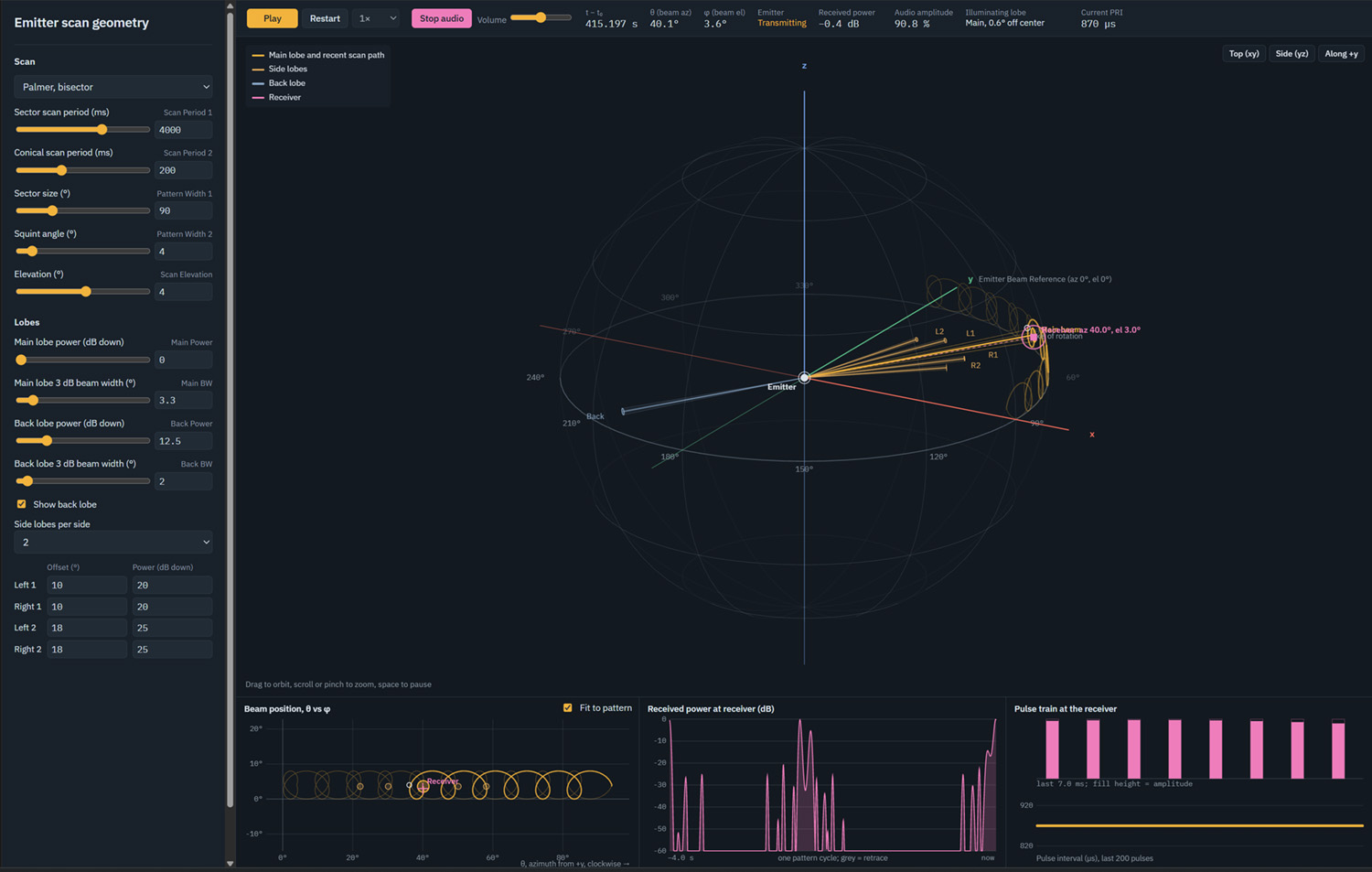
ASTi added new modeling components to bring high-fidelity radar threat audio to the Telestra™ simulation platform. This fully integrated software capability eliminates the need for dedicated, standalone hardware previously used to generate radar warning audio.
Telestra uses emitter and ownship data from the host simulation to model as many simultaneous threat emitters as your training requires, including:
- Physics-based scan patterns from simple circular and sector scans to raster, helical, and Palmer variants
- Main-lobe, side-lobe, and back-lobe antenna geometry modeling
- Agile pulse and pulse repetition interval (PRI) behavior
The result is realistic threat audio that transforms as the locations of the aircraft and threat radars change, as emitters change scanning modes, and when the ownship enters or leaves emitter range(s). All of this is generated by the same Telestra system that already delivers simulator communications and audio to the pilot headset. Even better, this capability reduces the number of training system components to maintain and update with future threat information.
Current development efforts involve extending this capability to accurately reflect* electronically scanned radar and additional modern threats.
*Pun fully intended.
Normally, the What's Happening!! editor would flag that headline as redundant, since "scenario" and "situation" are often used interchangeably. But in this case, there's an important distinction.
The “scenario” we are referring to here is the main unit of flight training when using ASTi's Simulated Environment for Realistic ATC (SERA®). It includes the flight plan, traffic settings, training options, events, etc. Customers can customize all of these when building military and commercial flight training scenarios. For ease-of-use, however, much of SERA's core functionality stays hidden under the hood.
The situation, up until recently, was that adding a new, complicated training threat to a SERA scenario required ASTi to put SERA on a lift in the garage while customers drank coffee in the waiting room. But that’s about to change.
ASTi is developing a user-friendly SERA scenario editor that will give customers a new level of flexibility and control. It will provide better visibility into some of SERA's inner workings allowing customers to fine tune SERA to meet their flight training needs. Customers will be able to create new, more complicated training scenarios with different traffic and custom radio calls that involve more than just ATC interactions. This new feature also allows SERA to accommodate specialized military training in areas like aerial refueling, AWACS missions, call for fire, formation flight, and more.
Targeted for release next summer (2027), the SERA scenario editor is another example of ASTi turning customer feedback into valuable product improvements. With this new feature, ASTi is handing customers a set of specialized tools to tinker with some of SERA’s more serviceable parts. Visit our booth at I/ITSEC (#1123) to see SERA in action and talk about how it can benefit your training program.
One encouraging trend in the commercial pilot training arena is growing integration of simulated air traffic control (ATC) environments (SATCE) in flight training devices. We're not referring to tacking SATCE onto an existing flight simulator*, we're talking about leading simulator manufacturers making SATCE a standard offering for their full flight simulators from the get-go.
* Sim operators are increasingly doing this, too.
Sim makers like FlightSafety, CAE, CymSTAR, and TRU Simulation are taking SATCE seriously, and a lot of program requirements from their military customers are driving this trend. Military training programs using ASTi's Simulated Environment for Realistic ATC (SERA®) include: the U.S. Navy’s Multi-Engine Training System (METS) T-54A Marlin II, KC-46 Pegasus aerial refueling trainer, and TH-73A Thrasher Part-Task Trainer (PTT).
When we say “integration,” we mean full integration including:
- SERA audio to and from the cockpit over all simulated radios
- Visual systems displaying the correct aircraft models and liveries of SERA-generated entities with realistic movements, lighting and articulations
- Airport alignment
- Airport lighting control including stop bars and lead-on lights
- Instructor control of SERA scenarios, training options, and realtime transcripts
- Controller–pilot data link communications (CPDLC)
- Navigation database management
Visit our booth at I/ITSEC (#1123) to see SERA in action and discuss the multitude of training objectives that can be streamlined with SERA’s automated, intelligent agents (pilots, controllers, boom operators, etc.).
Redsim2 Certificates to Field
The U.S. Department of the Air Force has renewed the Certificates To Field (CTF) for ASTi’s Redsim2™ products including DIS Link Monitor, PDU Analyzer, PDU Generator, PDU Recorder, and PDU Router. These CTFs are valid until 2029. Contact ASTi at support@redsim.com to request the latest certificates.
Respect Our Authority (to Operate)
The U.S. Department of the Army has renewed the Authority To Operate (ATO) for ASTi Voisus®, Comms Logger™ and Solo™ products. This is in support of the Capability Program Executive Simulation, Training, Test and Threat’s (CPE ST3) Project Manager for Simulation (PM SIM) Radio Wire Integration System (RWIS) program. The ATO covers the aforementioned software and supporting hardware like power amplifiers, AI-Delta and AI-S devices, ACU2s and ACE-RIUs. It is valid through June 2029. Contact ASTi at support@asti-usa.com to request the latest ATO documents.
Voisus Tune-Up for Range 48 Unified Comms
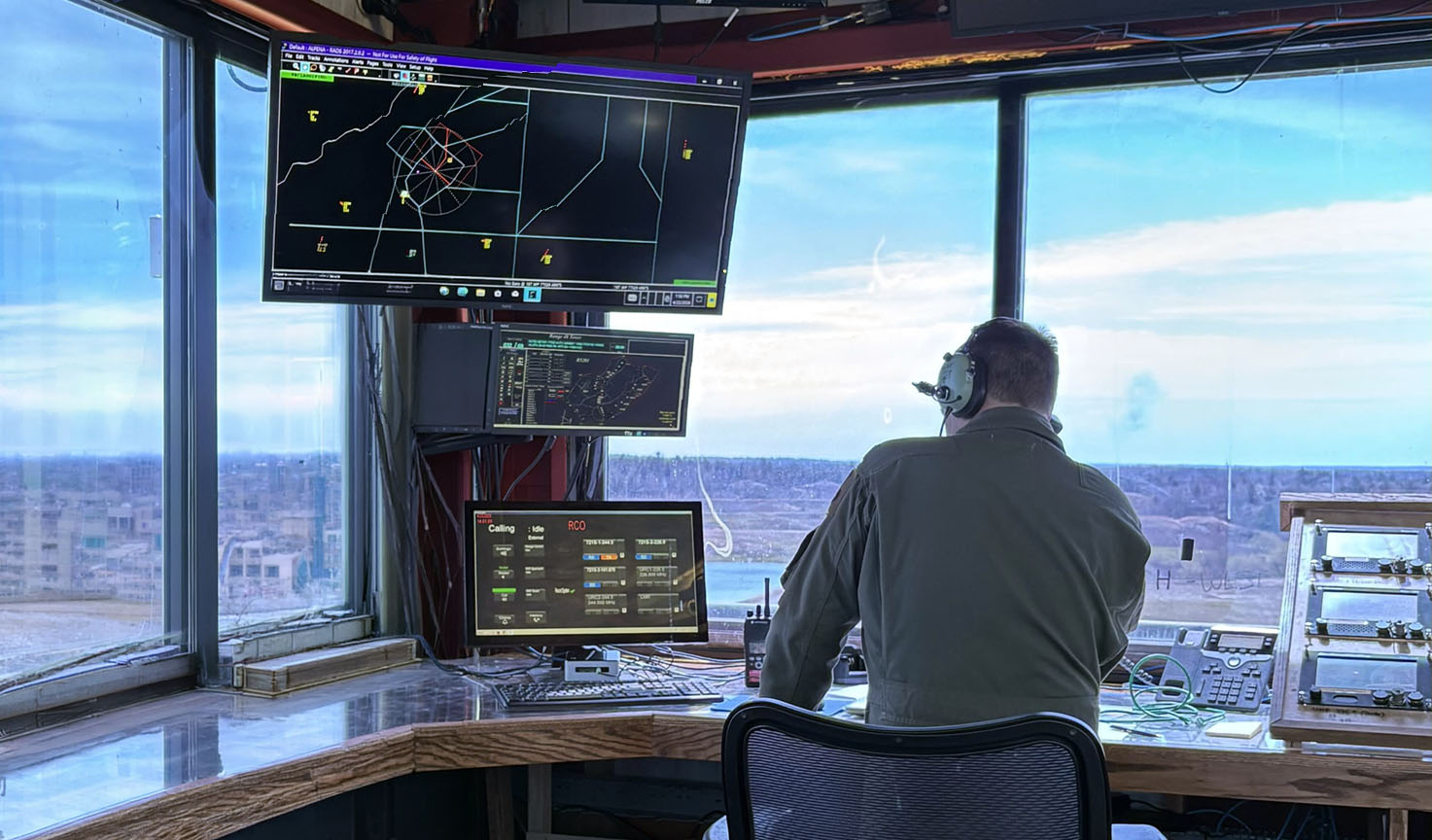
This summer, ASTi visited the Adirondack Joint Range 48 at Fort Drum, NY, to update the New York Air National Guard's Voisus® unified communications solution. Fort Drum's is the largest live-fire range on the East Coast outside of Florida, hosting more than 1,000 training events annually.
The system provides command and control of several live VHF, UHF, and land-mobile radios alongside hardwire telephone lines in a single user interface (via ASTi's FlexClient™ software) for range personnel. Behind the scenes, ASTi's Comms Logger™ records and archives all radio traffic, individual operator audio, and phone call audio for incident review.
Fort Drum’s unified comms equipment was originally installed in 2015 and is still in use by the 174th Operations Group, Detachment 1. ASTi upgraded their Voisus, FlexClient and Comms Logger software to the latest versions, added new touchscreen PC tablets, and made adjustments to existing FlexClient layouts running on existing workstations. Come talk to us at I/ITSEC 2026 (booth #1123) about Voisus and how it can put all of your different comms assets at your fingertips on the same screen.
What’s going on in the booth?
ASTi's SERA demo in booth #1123 puts pilots in the seat of a T-6B Texan II turboprop training aircraft performing take-offs, pattern flying, touch-and-gos and landings at NAS Corpus Christi on the Gulf Coast and at Randolph AFB just outside of beautiful San Antonio, TX. If this sounds familiar, that's because it's exactly what ASTi is doing for the U.S. Navy's Chief of Naval Air Training (CNATRA) programs at Training Wing 4.
One highlight of this demonstration is the seamless integration of two different AI-driven flight training technologies. TakeFlight's virtual flight instructor guides student pilots through their training regimen while ASTi's SERA populates the training environment with virtual aircraft, pilots and controllers. Together, these technologies provide an instructive and immersive flight training environment without distracting real flight instructors from their primary responsibility: assessing pilot performance.
Visit ASTi at booth #1123 to see Voisus Unified Communications in action. Voisus seamlessly integrates tactical radios, commercial phones, and computer workstations into a single, powerful comms network. Come watch as we integrate real-time voice communications across multiple platforms, all controlled through an intuitive touchscreen interface. It's one-stop shopping for your operational comms needs.
Voisus Unified Comms is a field-proven, IP-based solution with redundant cloud servers, comprehensive voice logging for after-action review, and proven interoperability across DoD training programs including DMO, LVC-IA and more. Whether you're coordinating live operations or conducting distributed training exercises, Voisus delivers the reliability, flexibility, and cybersecurity compliance your application demands. Stop by our booth to see how Voisus lets you connect, extend, and communicate seamlessly with your whole team.
ASTi Partners at I/ITSEC 2026
- Booth #1433 CAE + Voisus - LVC Suite
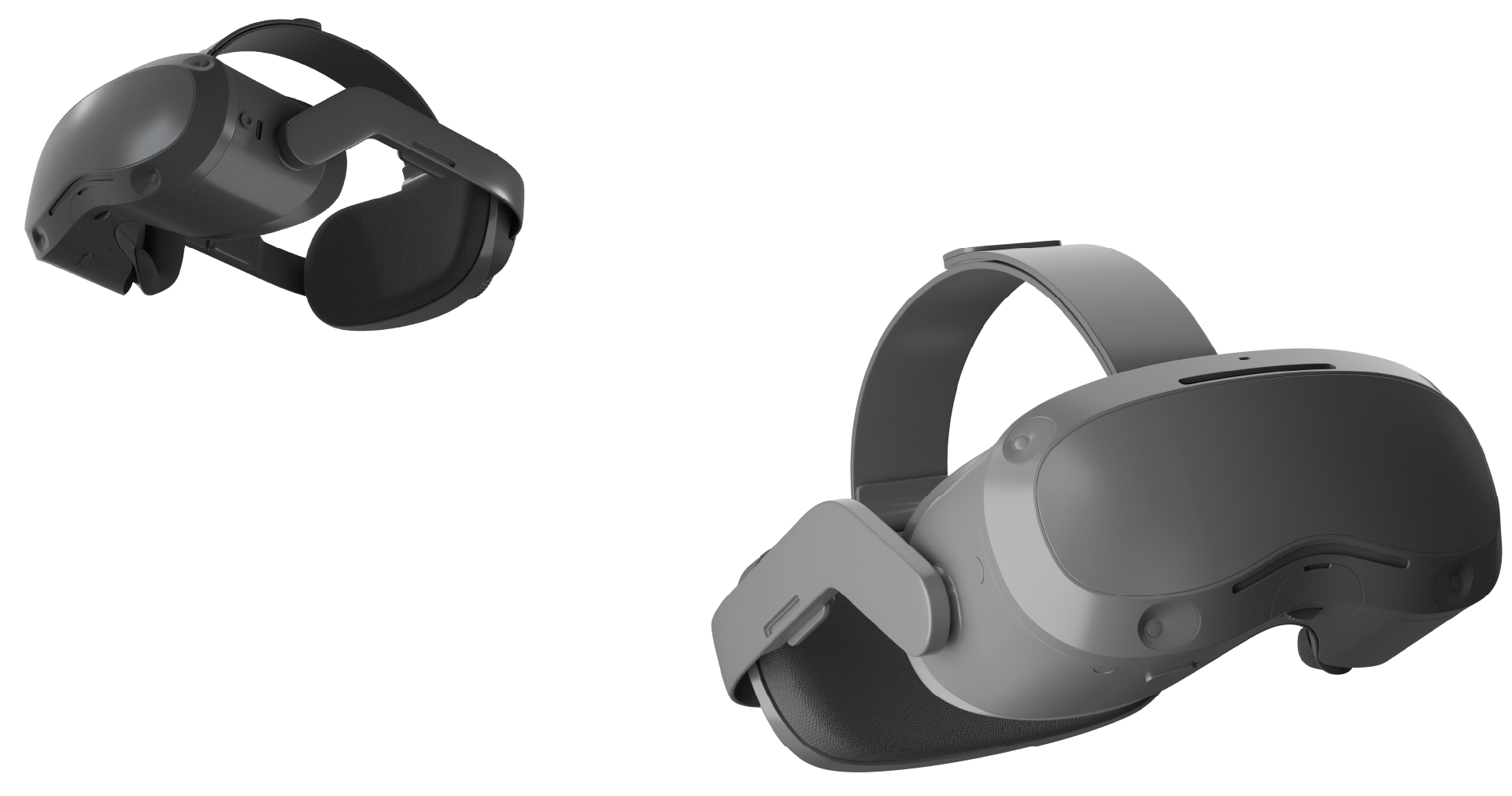
- Booth #2327 TRU Simulation + Telestra - Veris VR Flight Sim
Solutions Powered by ASTi
AR & VR Training
Solution Videos


Communications at the Edge
The ASTi Lineup
Voisus Unified Comms
Remove boundaries, walls, and restrictions by unifying all your communications needs regardless of the device, operator, technology, or location.
Enterprise License Agreement (ELA)
Reduce up-front and life cycle costs, expedite acquisition, and simplify sustainment.
IA / Software Maintenance
Reduce life cycle costs and keep your training systems up to date.
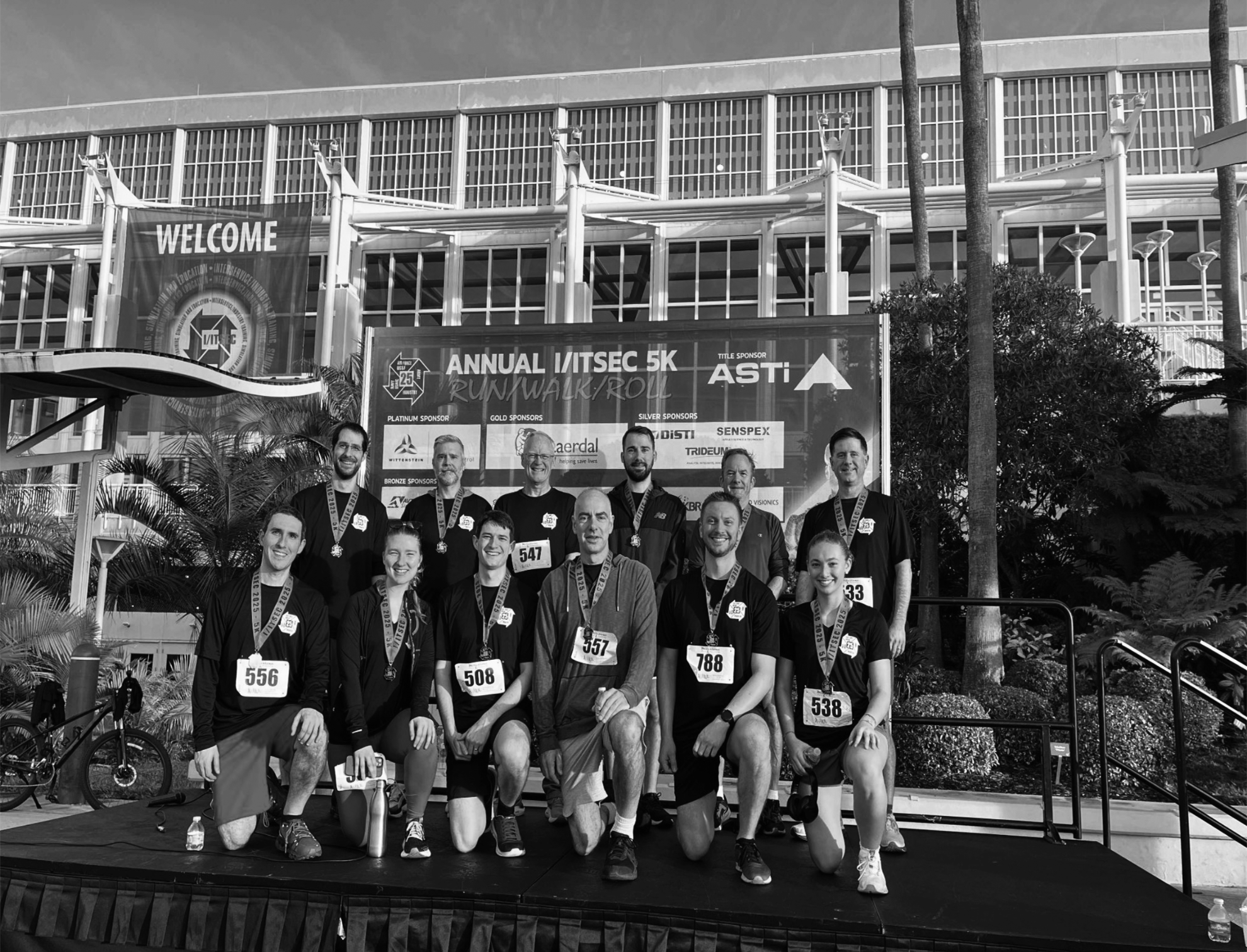
I/ITSEC 5K Run / Walk / Roll
Join ASTi at the I/ITSEC 5K Run/Walk/Roll again this year. It’s not too late to register.
Register ↗